Disclaimer: This is an independent creative test made with AI, for demonstration only. It isn't an ad for any brand shown or named, and isn't affiliated with, sponsored or endorsed by them. All trademarks belong to their owners
GPT Image 2.5 Flare - remake a phone snapshot as a 1960s film editorial
Keep the person and outfit from one photo and take the pose, grain and era from another
 Tested by Nouamane Benbrahim
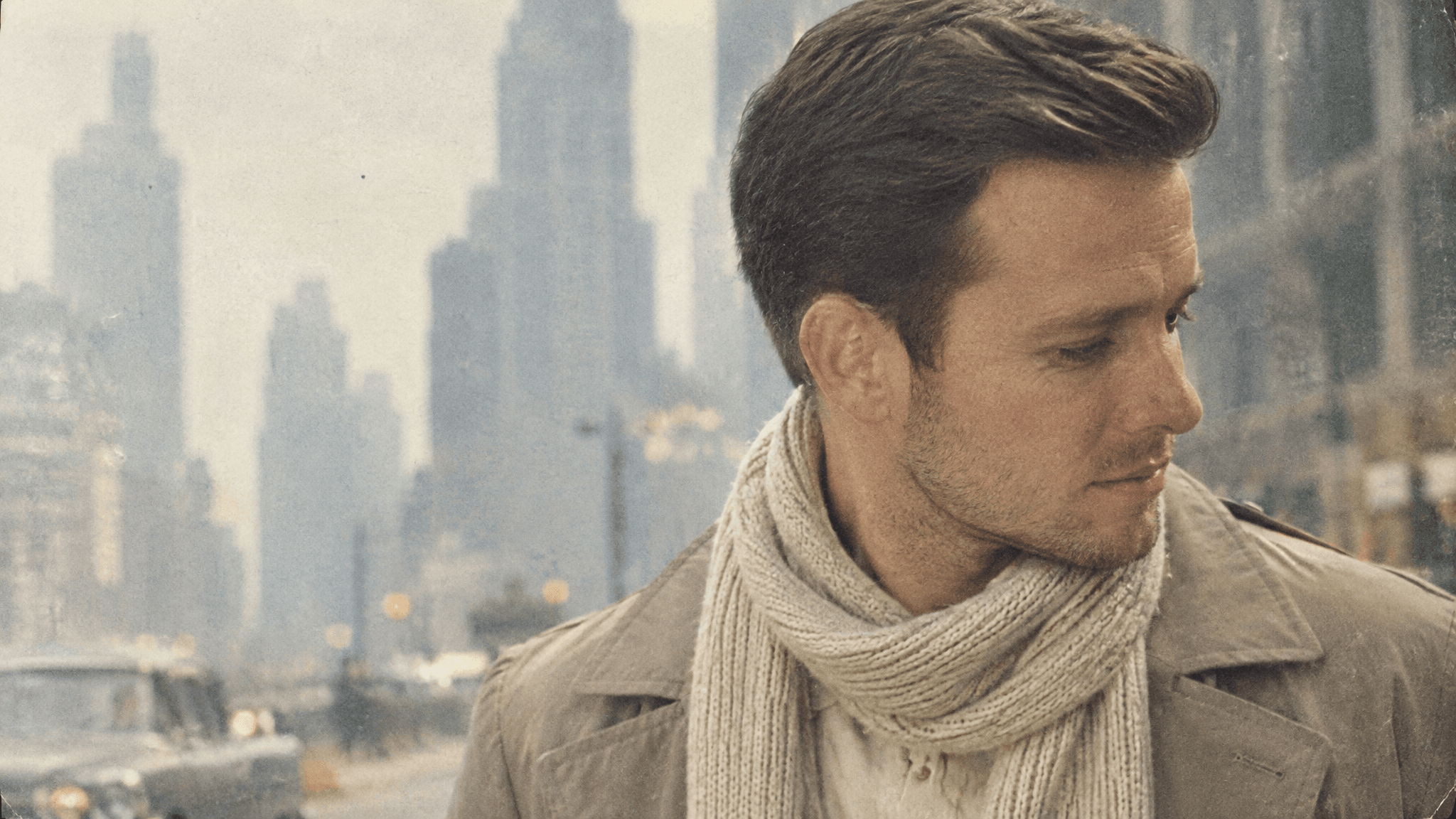
Ever wish an ordinary phone photo looked like it came out of a 1960s magazine?
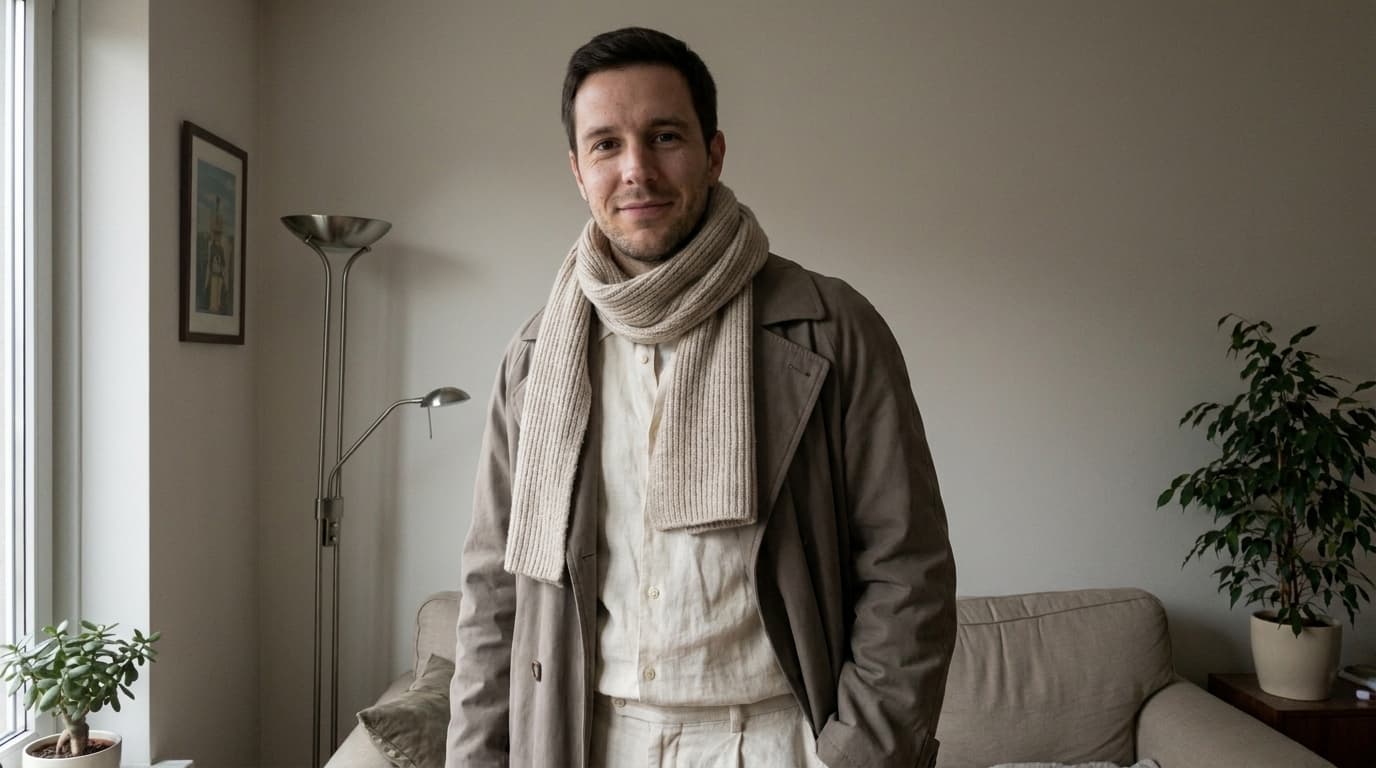
I took a plain snapshot of a man in a beige trench coat and scarf and remade it as a 1960s fashion editorial. None of this is for a client, this was just a test. The pose took me the most tries.
Here's my exact process.
Exact prompt
Create a new photorealistic image. This is a photograph taken in a home from the start, not a composite. Editorial fashion photography, unretouched, no beauty filter, no skin smoothing. A perfectly ordinary, mediocre, forgettable casual photo of the man wearing a nice outfit — the kind of fine-but-unremarkable snapshot a friend takes on a phone. The outfit is great; the photo is not. IDENTITY LOCK: Preserve the man — his face, short dark-brown hair, light stubble, warm medium skin tone, brown eyes, same features — from the first reference. Do NOT source his face or hair from any other reference. He is relit by this room's ordinary daylight; the references' studio and film lighting are discarded. THE OUTFIT (from the second reference): He wears the exact same layered neutral outfit from the second reference — the chunky oatmeal ribbed-knit scarf wrapped around his neck, the stone-taupe oversized trench coat, the cream linen overshirt, and the bone-coloured linen trousers. Same garments, same colours. THE SUBJECT: He stands relaxed in a living room, turned very slightly off-square, a small easy almost-smile, looking straight at the camera in a plain everyday way, arms relaxed at his sides — an ordinary unposed snapshot stance. The great outfit is just worn casually, not styled or arranged. THE FACE: Real, unretouched skin with fine visible texture, faint pores, slightly uneven tone, a few tiny imperfections. Mostly matte, natural, evenly lit by dull indoor light. Warm medium skin with a living neutral undertone, never plastic. THE SETTING: A normal, slightly cluttered everyday living room — a plain wall, a bit of a couch, a floor lamp, a houseplant, a framed picture, softly present and unremarkable; a lived-in ordinary home, not styled. THE LIGHT: Ordinary soft daylight from a window to one side — flat, even and a bit dim, nothing shaped or directional, the mixed indoor light a phone grabs. Mediocre and unflattering — it does nothing for the outfit's texture. THE MOOD: Neutral, plain, everyday; a slightly flat, mildly phone-processed grade, a touch dull and lifeless. THE COMPOSITION: Casual mid-shot, waist up, he is roughly centred with a bit of random headroom and ordinary background around him — the slightly-off, unconsidered framing of a normal snapshot. 16:9 landscape. THE CAMERA: A typical modern phone photo — deep focus, everything fairly sharp, mild phone HDR flatness, slightly dull colour, a little noise in the shadows. Fine natural grain. Ordinary and forgettable — a mediocre casual photo of a man in a nice outfit. No plastic skin, no extra limbs, no text.
1. Start with the photo you want to keep
I started with the plain snapshot as the first reference. His face and outfit come from that photo, and I said so in the prompt.
2. Pick a reference for the whole look
The second reference was a 1960s editorial with a woman in a powder-blue jacket and beret, a city backdrop and a faded print. I didn't want her clothes on him. I wrote that the outfit stays from the first photo, and I took the pose, framing, blur, grain, colour and background from the second.
3. Describe the pose by direction, not by mood
My first prompts said "turned" and "three-quarter profile," and the model kept looking up or straight at the lens. The reference's head turned to one side, the chin dropped, and the eyes looked down and off. Once the prompt said which way the head turns, how far, where the eyes go, and that the torso stays square, the pose matched.
4. Name the film texture
"Vintage" on its own gave me a clean photo with a light filter. What worked was naming the look: heavy, coarse grain across the whole frame, including the face, a soft glow around the highlights, a warm yellowed colour cast that lifts the blacks to a milky grey, and a few dust specks.
5. Make the man look like the era too
Even with the right film look, he still looked like a modern photo. Sharp digital skin and a modern fringe gave him away. A 1960s side part with some volume, neat period grooming and softer skin fixed it.
6. Describe the crop as a position
The reference is a tight crop, with the head in the right half of the frame and the gaze leading out of it. I wrote that down as a position: head and upper chest, right half of the frame, left half open to the background.
Exact prompt
Create a new photorealistic image. This is a photograph taken on a city street from the start, not a composite. Rebuild the entire scene, subject included, as if shot natively on the same vintage film stock, with unified lighting and unified film grain across subject and environment. Editorial fashion photography, unretouched, no beauty filter, no skin smoothing. THE VIBE: A 1960s magazine editorial photograph, aged and faded like a printed page that has sat in an archive for decades, quiet and pensive. Every element, the man included, belongs to that era. IDENTITY LOCK: Preserve the man's face and features from the first reference. Do NOT source face, hair colour, skin, or outfit from the second reference. He is relit entirely by this scene's soft hazy daylight, with the same faded print colour and grain as the rest of the frame. THE SUBJECT: He is turned sharply to frame-right, close to a full profile, his head angled well away from the camera. His chin is lowered slightly and his eyes look DOWN and off to frame-right, not toward the lens and not upward. His torso faces the camera more squarely while only his head turns away. The framing is tight: head and upper chest only, positioned in the right half of the frame. The pose is taken entirely from the second reference: head turn, downward gaze, and chin angle. He wears the same beige trench coat and cream knit scarf, from the first reference. Period-appropriate hair: a 1960s short side-parted cut with more volume on top, neatly combed, a little light pomade, no modern textured fringe. Grooming is neat and period-correct: a clean, trimmed look with the stubble kept very short and tidy. No modern styling. THE FACE: Soft, period-appropriate skin with a gentle film softness, fine natural texture, faint pores across the nose and cheeks, slightly uneven tone, a few tiny imperfections. Mostly matte, with no digital sharpness or modern clarity. A natural, correctly proportioned nose, even symmetrical features. THE SETTING: A hazy, faded city backdrop of tall towers and soft-focus street detail, with a vintage car blurred at the edge of frame, matching the second reference, under a pale overcast sky. THE LIGHT: Soft, diffuse overcast daylight from frame-left is the only light on him. Cool blue-grey ambient fill lifts his shadows. His contrast and black level match the faded, low-contrast scene. THE KEY DETAILS: Soft out-of-focus city lights and a faint vintage car behind him. THE MOOD: Aged, faded, warm nostalgic tones, the look of a 1960s print with its colours slightly shifted. THE COMPOSITION: Tight crop, head and upper chest in the right half of the frame, the left half open to soft hazy background, the subject's gaze leading out of frame to frame-right and down. THE CAMERA: Old analog film look matching the second reference: heavy, coarse film grain across the whole frame including the face and skin, soft halation glow around highlights, a warm yellowed colour cast that fades the blacks to a milky grey, a faint softness and gentle lens falloff, and light dust specks and a slight print texture. Soft lens blur and background falloff as in the second reference. looks like a real model photographed on location in 1964, not a render.
Why it works
Every piece I left out pulled the photo back toward modern. I tried it with the pose, the grain, the colour cast and the hair, and each one had to be named before the look held.
Your turn: take a photo you already have, find an old photo whose mood you like, and write the pose in direction terms before you touch the film look.
Emero writes these prompts for you and remembers your style choices, so you aren't rewriting them every time. Everything's at cost.

Get one of these every day
I test new workflows daily and send them with the exact prompts, the models and the costs
5,979 generations tested so far
More workflows
See all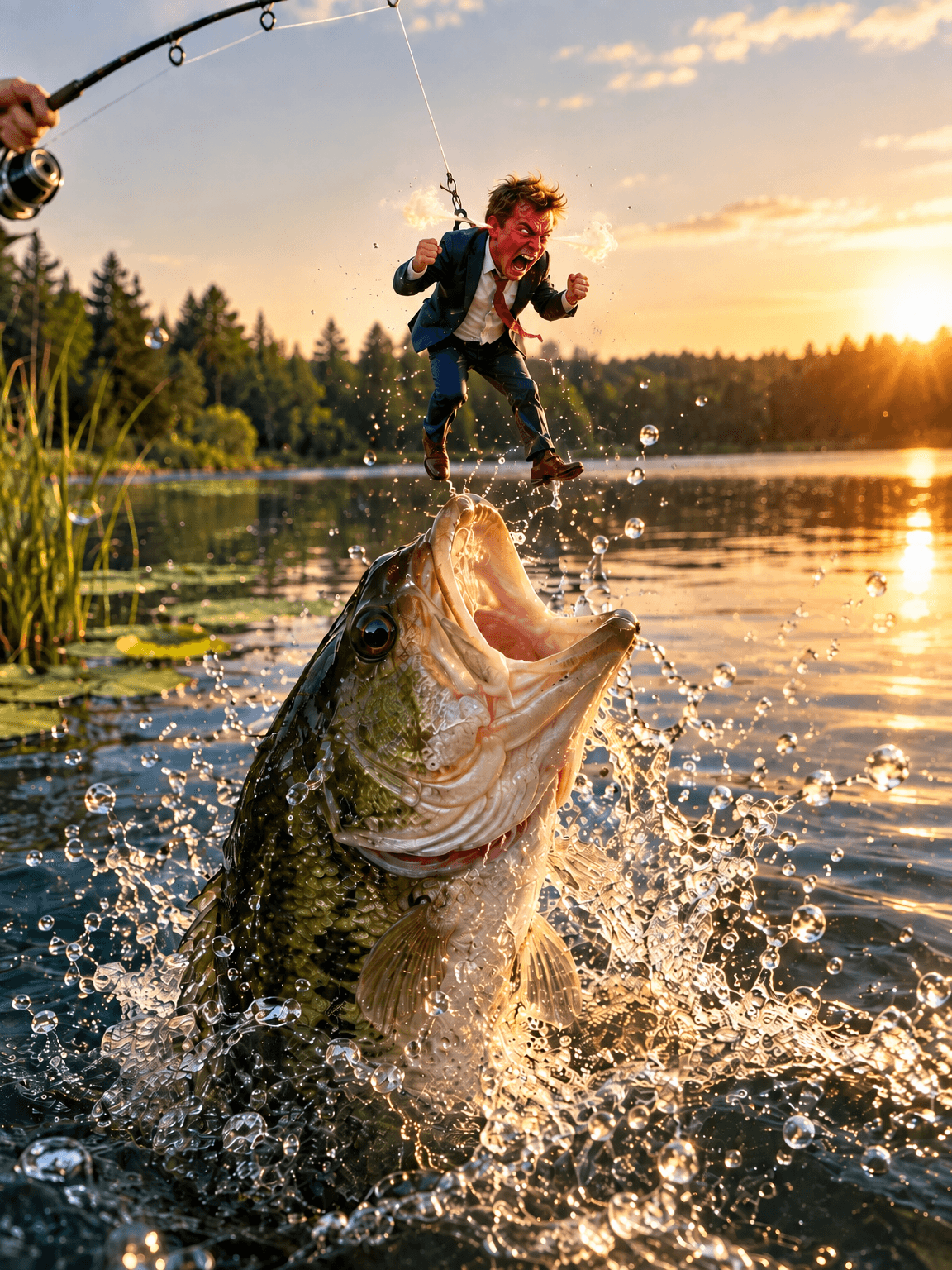
GPT Image 2.5 Flare - fix one thing in an image without losing the rest
Change one detail in an AI image, like size, mood or pose, while the rest of the picture stays put
GPT Image 2.5 Flare · 2 min render
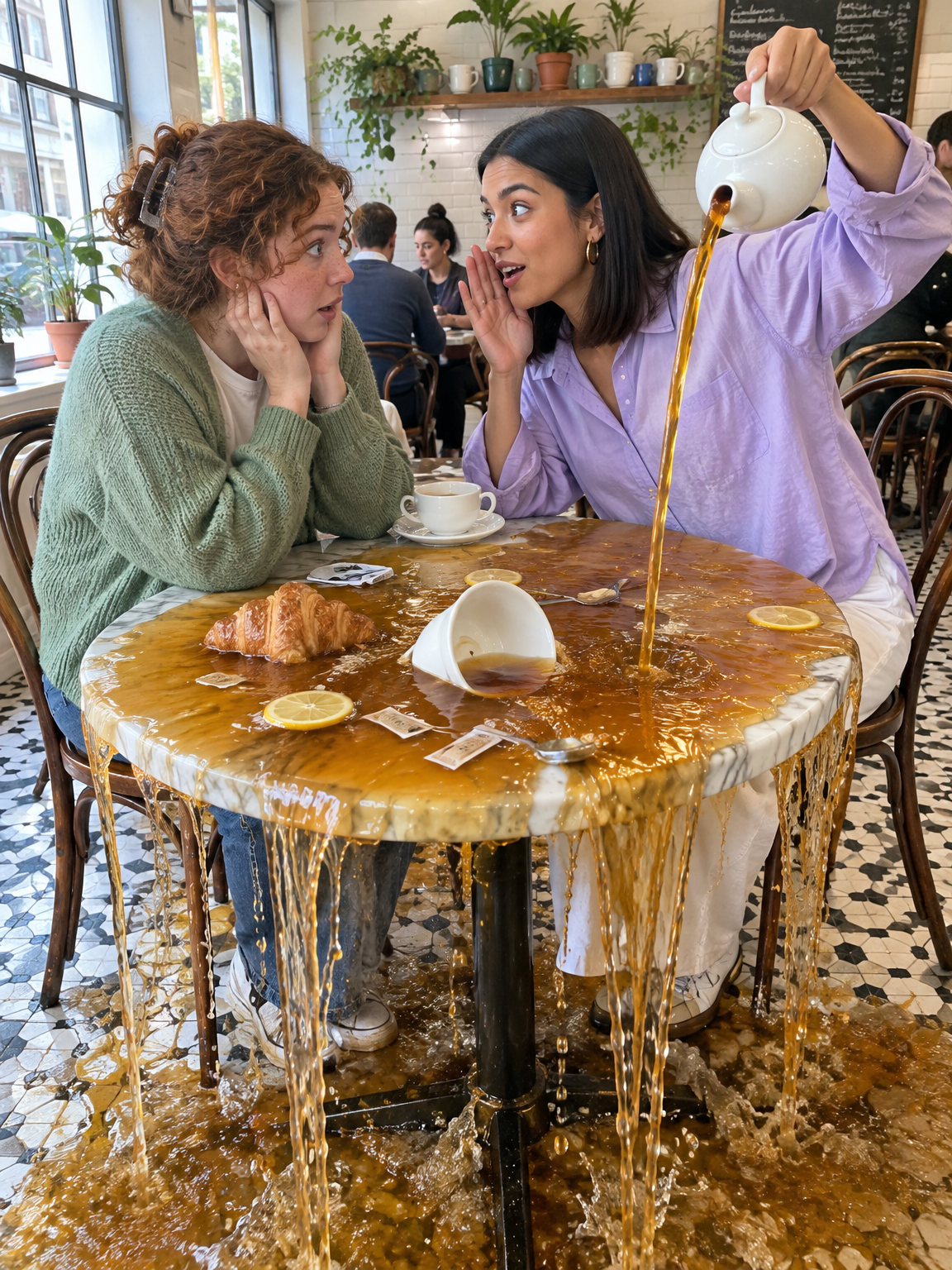
GPT Image 2.5 Flare - Gen Z slang taken literally
Turn slang like spill the tea, glazing and catfished into photos that show the words literally
GPT Image 2.5 Flare · 2 min render
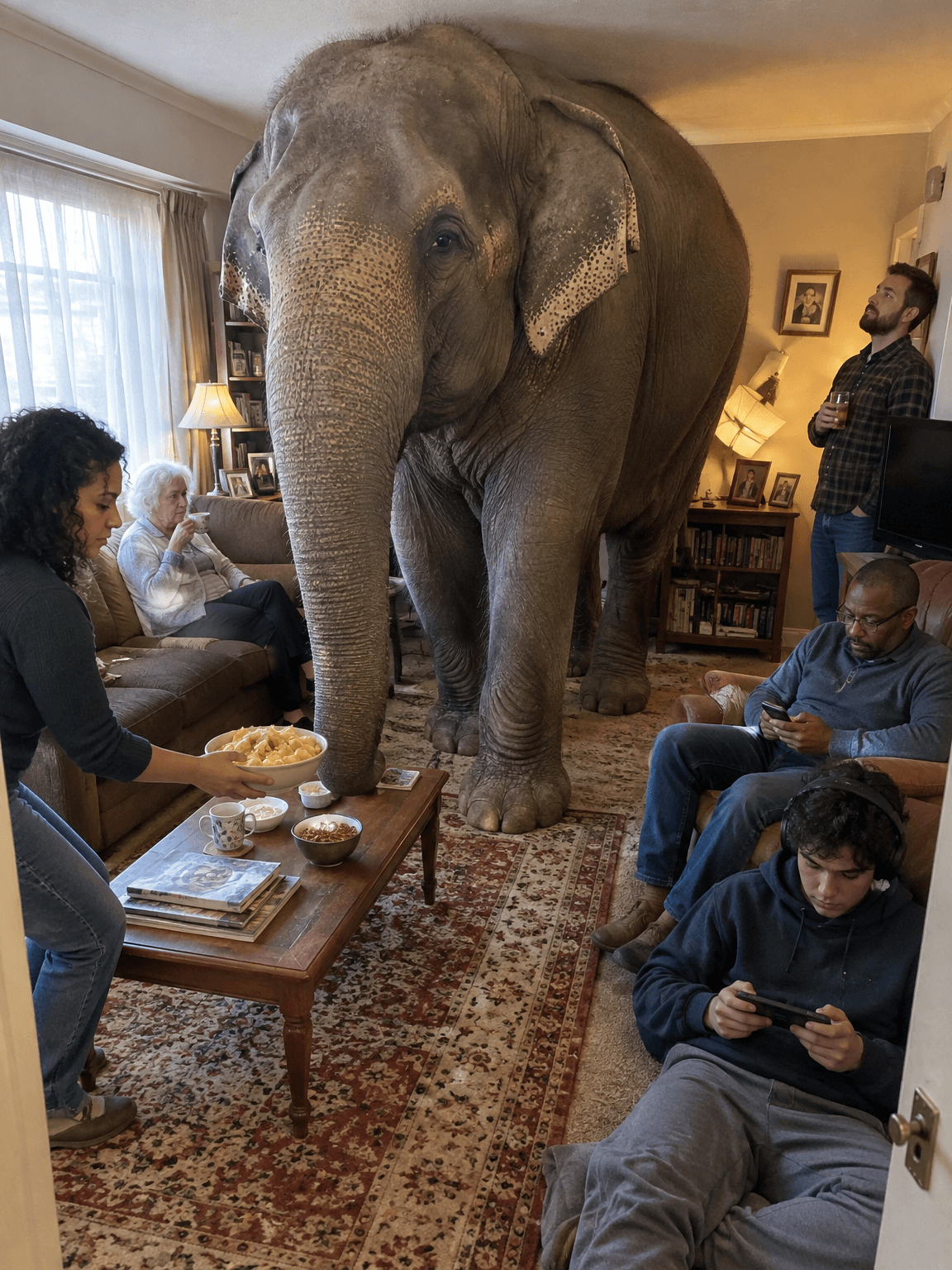
GPT Image 2.5 Flare - old sayings turned into deadpan photos
Turn everyday sayings into realistic photos where one impossible thing happens and nobody reacts
GPT Image 2.5 Flare · 1 min render